Aim of the webinar:
Summary:
- To provide a case-based, diagnostic-to-therapeutic framework for severe sickle cell crises, showing how evolving clinical, laboratory and imaging findings should determine escalation from supportive care and simple transfusion to red cell exchange (RCE) and, in carefully selected refractory cases, sequential therapeutic plasma exchange (PLEX/TPE).
- The webinar will specifically address the difficult clinical space in which severe acute chest syndrome, neurological injury, fat embolism syndrome and multiorgan dysfunction overlap—and where rapidly recognising the dominant pathophysiology may determine whether conventional transfusion therapy is sufficient or further apheresis-based intervention should be considered.
Learning objectives:
- Recognise diagnostic red flags that redefine a vaso-occlusive crisis, including progressive hypoxaemia, neurological dysfunction, thrombocytopenia, rapidly evolving haemolysis, hepatic/renal injury and multiorgan failure.
- Translate diagnostic findings into the appropriate transfusion strategy—supportive management, simple red-cell transfusion or urgent automated RCE—while avoiding hyperviscosity and inappropriate transfusion escalation.
- Optimise RCE as a therapeutic procedure, including patient selection, Hb/HbS targets, red-cell selection and antigen matching, procedural monitoring and assessment of response.
- Critically evaluate sequential/high-volume PLEX after RCE in selected patients with persistent or progressive multiorgan dysfunction, fat embolism syndrome, encephalopathy, refractory hypoxaemia or severe inflammatory/endothelial injury—while clearly defining the limited evidence base and avoiding its use as routine first-line therapy.
- Develop a multidisciplinary escalation and reassessment algorithm integrating haematology, transfusion medicine/apheresis and critical care, with defined response markers, treatment endpoints and stop rules.
Level of education required:
Advanced
Prior knowledge required:
o Sickle cell disease and acute vaso-occlusive complications
o Acute chest syndrome and neurological complications of SCD
o Basic interpretation of haemolysis and organ-dysfunction markers
o Principles of simple red-cell transfusion and red cell exchange
o Red-cell antigen matching and alloimmunisation
o Fundamental principles of therapeutic apheresis
Target audience:
o Transfusion Medicine physicians
o Haematologists and haemato-oncologists
o Clinical apheresis specialists
o Critical-care physicians
o Paediatric and adult sickle cell specialists
o Emergency medicine physicians
o Transplant/cellular-therapy clinicians
o Apheresis nurses and technologists
o Advanced trainees in Haematology, Transfusion Medicine and Critical Care
Proposed Educational Positioning:
RCE remains the established apheresis-based intervention for severe acute sickle complications; PLEX is not presented as a replacement for RCE. Current guidance supports exchange transfusion for severe acute chest syndrome and other major complications, while the emerging literature on TPE consists predominantly of case reports, case series and systematic-review synthesis. The educational value of this webinar is therefore in identifying the uncommon patient who continues to deteriorate despite appropriate RCE, and examining whether a rational, physiology-driven sequential plasma-exchange strategy can serve as rescue therapy.
The Speakers:
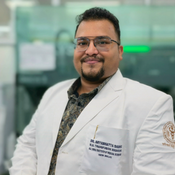
Aryabhatta Sadhu
- Attending Consultant & Incharge, Department of Transfusion Medicine, Fortis Hospital Shalimar Bagh, New Delhi, India
- Member, ISBT Clinical Transfusion Working Party

Richard R. Gammon
- Pathology, Moffitt Cancer Center, Florida, USA
- Chair, ISBT Clinical Transfusion Working Party
The Moderators:
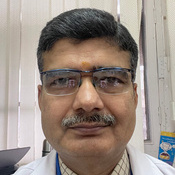
Ratti Ram Sharma
- Director Professor & Head, Department of Immunohaematology and Blood Transfusion, Lady Hardinge Medical College & Associated Hospitals, New Delhi, India
- Co-Chair, Haemoglobinopathies Subgroup, ISBT Clinical Transfusion Working Party

Sangeeta Pahuja Sindhwani
- Director Professor & Head, Department of Immunohaematology and Blood Transfusion, Lady Hardinge Medical College & Associated Hospitals, New Delhi, India
- Co-Chair, Haemoglobinopathies Subgroup, ISBT Clinical Transfusion Working Party
Are you an ISBT member? Then we have great news! Your CPD points and webinar certificates are automatically saved in My Account – My CPD. Simply log in to the ISBT website using your member credentials to access them. To download your certificate, click on the webinar title in the My CPD area and it will be saved directly to your computer.
Did you know you can also record your own CPD activities here? You’re welcome to use this space to track all your educational activities — even those not directly related to ISBT.
If you enjoyed this webinar, be sure to keep an eye on the ISBT events calendar for upcoming ISBT webinars and Live Journal Clubs. We’d love to welcome you again at future events!
If you’re unable to attend a live session or would like to rewatch a webinar, visit the ISBT webcast library, where you’ll find recordings of all ISBT webinars, Live Journal Clubs, and ISBT congress webcasts. Use the filters to easily find topics that interest you.