Transfusion Evidence Round-Up: International Childhood Cancer Day 2026
Talking Transfusion Podcast
Tune into the third episode of the Talking Transfusion Podcast!
Introduction
Welcome to the quarterly Transfusion Evidence Round-Up.
This is a collaboration between the International Society of Blood Transfusion (ISBT) and the Transfusion Evidence Library (TEL). We aim to highlight high quality evidence randomised controlled trials and systematic reviews about an internationally relevant subject in the field of Transfusion Medicine. All references are drawn from the Transfusion Evidence Library and, where relevant, Stem Cell Evidence.
This Transfusion Evidence Round-Up is sent to ISBT members and TEL subscribers, so if you are a subscriber to both mailing lists and receive it twice please bear with us until we can resolve this.
The Transfusion Evidence Library is produced by the Systematic Review Initiative (SRI) and funded by the four UK blood services. It is available free at the point of access providing a comprehensive and up-to-date database of high quality evidence in Transfusion Medicine.
Top 10 articles
The following 10 articles were selected from the Transfusion Evidence Library by 4 reviewers: Juan Manuel Cisneros Carrasco, Rounak Dubey, Irena Kostic and Radheshyam Meher.
Top article
Impact of minimal residual disease on the outcome of hematopoietic stem cell transplantation for childhood acute lymphoblastic leukemia within the FORUM trial
Selected articles
Comprehensive up-to-date analysis on TCRαβ/CD19-depleted hematopoietic stem cell transplantation in pediatric hematological malignancies. Abdelgawad, H.A.H., et al. (2025). Transplant Immunology.
Outcomes after a second allogeneic haematopoietic stem cell transplant for relapsed paediatric acute myeloid leukaemia improved over time: A study from the EBMT Paediatric Diseases Working Party. Buchbinder N., et al. (2025). British Journal of Haematology.
Effect of rabbit ATG PK on outcomes after TCR-αβ/CD19-depleted pediatric haploidentical HCT for hematologic malignancy. Dvorak, C.C., et al. (2024). Blood Advances.
Hematopoietic Stem Cell Transplantation Outcomes for High-Risk AML: A Report From the Children's Oncology Group. Huang, B.J., et al. (2025). Journal of Clinical Oncology.
Allogeneic stem-cell transplantation following chimeric antigen receptor T-cell therapy for treatment of relapsed/refractory hematologic malignancy in children and young adults: a systematic review and meta-analysis. Mangkuliguna, G., et al. (2025). Clinical and Experimental Paediatrics.
TCRαβ/CD19 cell-depleted HLA-haploidentical transplantation to treat pediatric acute leukemia: updated final analysis. Merli, P., et al. (2024). Blood.
How low can we go? Comparison of liberal and restrictive red cell transfusion thresholds in paediatric allogeneic haematopoietic stem cell transplantation: A randomized multicentre feasibility trial. New, H.V., et al. (2025). British Journal of Haematology
Umbilical cord blood reduced relapse but increased nonrelapse mortality compared to matched unrelated donor transplantation in pediatric acute myeloid leukemia with active disease: a CIBMTR 2008 to 2017 analysis of donor source and residual disease. Takahashi, T., et al. (2025). Transplantation and Cellular Therapy.
Immunoglobulin prophylaxis prevents hospital admissions for fever in pediatric acute lymphoblastic leukemia: results of a multicenter randomized trial. Thus, K.A., et al. (2025). Haematologica.
Editorial Board
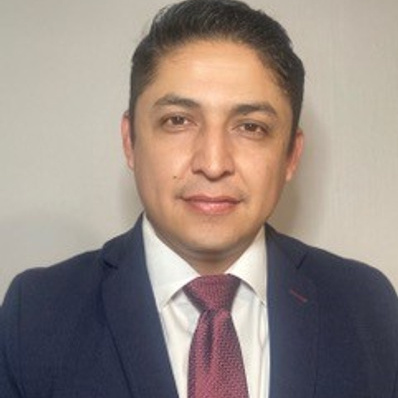
Juan Manuel Cisneros Carrasco
Dr Juan Manuel Cisneros Carrasco is a medical specialist in Clinical Pathology. He is Head of the Blood Bank at the Aranda de la Parra Hospital, in Leon, Guanajuato, Mexico. He is also an educator and trainer on transfusion medicine issues and promoter of voluntary blood donation. Dr Carrasco is University professor at La Salle University in the disciplines of microbiology and health sociology, and also an opinion columnist writer at Periódico AM.
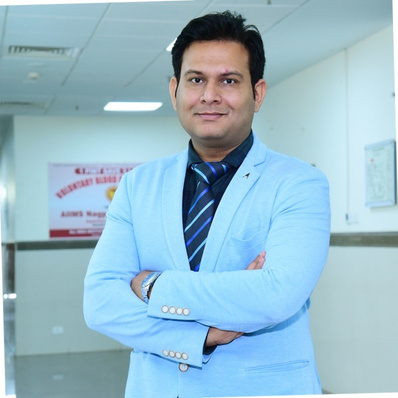
Rounak Dubey
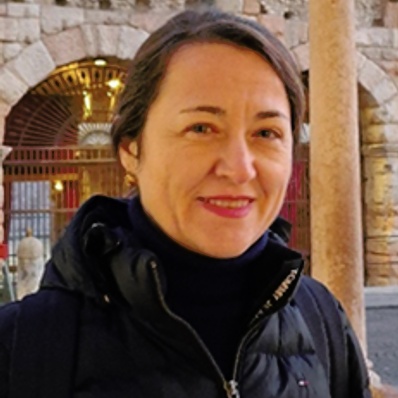
Irena Kostic
Irena Kostic is haematologist and internal medicine specialist who works at the Department of transfusion medicine in the University hospital Verona, Italy. Her previous experience in education, laboratory, clinical haematology, emergency and internal medicine helps her to understand and apply acquired knowledge in therapeutic apheresis, stem cell and lymphocyte collections, quality management, blood and tissue banking which are her main fields of interest in transfusion medicine.

Radheshyam Meher
Radheshyam Meher is a Senior Resident in the Department of Transfusion Medicine at the All India Institute of Medical Sciences (AIIMS), New Delhi. He holds an MD in Transfusion Medicine and a DNB in Immunohematology and Blood Transfusion. His academic and research interests include blood donor management, hemovigilance, clinical transfusion practice, therapeutic apheresis, cellular therapies, and patient blood management. He is actively involved in national and international research collaborations, has multiple peer-reviewed publications, and regularly presents at scientific conferences. Dr. Meher is a member of several professional bodies, including ISBT, AABB, ASFA, and ISTH, and serves on ISBT working parties related to clinical transfusion and hemovigilance.

Allison Mo

Catherine Kimber

Susan Brunskill
Systematic Research Initiative
The Systematic Review Initiative (SRI) is a clinical research group established in 2001 by NHS Blood and Transplant (NHSBT) and funded by the UK Blood Services. The primary objective of the SRI is to “develop the evidence base for the practice of transfusion medicine”, by undertaking systematic reviews and other evidence-based medicine research projects in the transfusion field. @sritransfusion
Transfusion Evidence Library
Stem Cell Evidence
Stem Cell Evidence is a comprehensive collection of high quality research relevant to haematopoietic stem cell transplantation, updated monthly. The most important articles in the field are highlighted in the Stem Cell Evidence Alert which is a newsletter emailed to subscribers. Stem Cell Evidence aims to be a key resource worldwide for medical practitioners, clinical researchers and policy makers. It is also intended to be of value to those planning new clinical trials in the field. It is produced by the Systematic Review Initiative and funded by the UK Blood Services and Oxford Biomedical Research Centre.