
NEW! Best of Transfusion Evidence Library 2025
Talking Transfusion Podcast
Tune into the latest episode of the Talking Transfusion Podcast!
Introduction
Welcome to the quarterly Transfusion Evidence Round-Up.
This is a collaboration between the International Society of Blood Transfusion (ISBT) and the Transfusion Evidence Library (TEL). We aim to highlight high quality evidence randomised controlled trials and systematic reviews about an internationally relevant subject in the field of Transfusion Medicine. All references are drawn from the Transfusion Evidence Library and, where relevant, Stem Cell Evidence.
This Transfusion Evidence Round-Up is sent to ISBT members and TEL subscribers, so if you are a subscriber to both mailing lists and receive it twice please bear with us until we can resolve this.
The Transfusion Evidence Library is produced by the Systematic Review Initiative (SRI) and funded by the four UK blood services. It is available free at the point of access providing a comprehensive and up-to-date database of high quality evidence in Transfusion Medicine.
Top 10 articles
The following 10 articles were selected from the Transfusion Evidence Library by 3 reviewers: Ashlee Hedrick, Hartirathpal Kaur and Catherine Prodger.
Top article
Mitapivat in adults with non-transfusion-dependent α-thalassaemia or β-thalassaemia (ENERGIZE): a phase 3, international, randomised, double-blind, placebo-controlled trial
Selected articles
Prophylactic strategies for prevention of postpartum haemorrhage in caesarean delivery: a systematic review and Bayesian network meta-analysis of randomised controlled trials. Amaral, S., et al. (2025). The Lancet. Global Health.
Blood transfusion strategies for major bleeding in trauma. Brunskill, S.J., et al. (2025). The Cochrane Database of Systematic Reviews.
Long-term transfusion independence with luspatercept versus epoetin alfa in erythropoiesis-stimulating agent-naive, lower-risk myelodysplastic syndromes in the COMMANDS trial. Garcia-Manero, G., et al. (2025). Advances in Therapy.
Safety and efficacy of rilzabrutinib vs placebo in adults with immune thrombocytopenia: the phase 3 LUNA3 study. Kuter, D.J., et al. (2025). Blood.
Rice-derived recombinant human serum albumin as an alternative to human plasma for patients with decompensated liver cirrhosis: a randomised, double-blind, positive-controlled and non-inferiority trial. Niu, J., et al. (2025). Gut.
Darbepoetin alfa to reduce transfusion episodes in infants with haemolytic disease of the fetus and newborn who are treated with intrauterine transfusions in the Netherlands: an open-label, single-centre, phase 2, randomised, controlled trial. Ree, I.M.C., et al. (2023). The Lancet Haematology.
Tranexamic acid for preventing postpartum haemorrhage after vaginal birth. Rohwer, C., et al. (2025). The Cochrane Database of Systematic Reviews.
Efficacy and safety of different treatments in chemotherapy-induced thrombocytopenia: a systematic review and network meta-analysis. Yang, H., et al. (2025). Frontiers in Pharmacology.
Blood component therapy for dry eye disease: a systematic review and network meta-analysis. Zhang, Y., et al. (2024). Frontiers in Medicine.
Editorial Board

Ashlee Hedrick
Dr Ashlee Hedrick is a Joint clinical and laboratory trainee with RACP/RCPA and an academic title holder at the University of Queensland's Faculty of Medicine. She has clinical experience across rural, regional and metropolitan health networks with particular interests in clinical transfusion medicine, molecular haematology and myeloid disorders. Dr Hedrick has contributed to numerous research and quality improvement projects and is actively involved in teaching and mentoring junior doctors. She is dedicated to integrating clinical excellence, education and research to advance the field of haematology and improve patient outcomes.
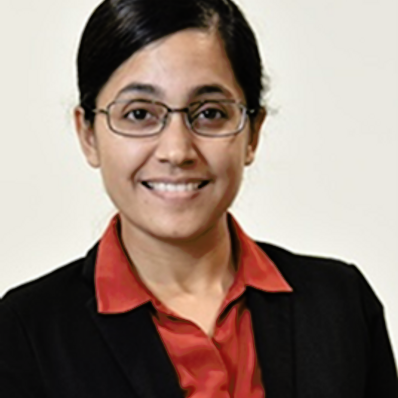
Hartirathpal Kaur
Dr Hartirathpal Kaur is a Consultant Haematologist at Singapore General Hospital and the Blood Services Group, Health Sciences Authority Singapore. Her main areas of interest are in Clinical Transfusion as well as Obstetric Haematology.

Catherine Prodger
Dr Catherine Prodger is a haematology trainee working at the Oxford University Hospitals NHS Foundation Trust in the UK. Dr Prodger is currently an NHS Blood and Transplant clinical fellow and completing a DPhil (PhD) at the University of Oxford in fetal and neonatal alloimmune thrombocytopenia (FNAIT). Her DPhil aims to characterise regional variations in FNAIT diagnosis, management and clinical outcomes in the UK, with the ultimate goal of informing more consistent and equitable standards of care.

Allison Mo

Catherine Kimber

Susan Brunskill
Systematic Research Initiative
The Systematic Review Initiative (SRI) is a clinical research group established in 2001 by NHS Blood and Transplant (NHSBT) and funded by the UK Blood Services. The primary objective of the SRI is to “develop the evidence base for the practice of transfusion medicine”, by undertaking systematic reviews and other evidence-based medicine research projects in the transfusion field. @sritransfusion

Transfusion Evidence Library

Stem Cell Evidence
Stem Cell Evidence is a comprehensive collection of high quality research relevant to haematopoietic stem cell transplantation, updated monthly. The most important articles in the field are highlighted in the Stem Cell Evidence Alert which is a newsletter emailed to subscribers. Stem Cell Evidence aims to be a key resource worldwide for medical practitioners, clinical researchers and policy makers. It is also intended to be of value to those planning new clinical trials in the field. It is produced by the Systematic Review Initiative and funded by the UK Blood Services and Oxford Biomedical Research Centre.